Week 30 - Contemporary Trends in New Zealand or International
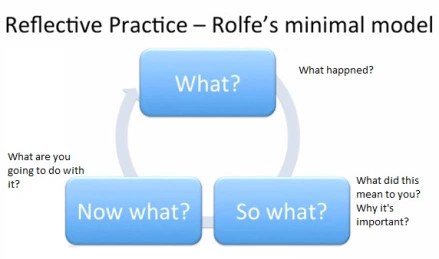
Step 1 (What):
My blog week 29 I said I was old school in my way of online approach and now with week 30s topic of
‘Trends’ I believe old school plays an important part in this too. Digital technology is everywhere, whether
it is in our classrooms, homes, work, lifestyles etc, it is part of our everyday lives. We cannot avoid it and
our tamariki don’t want to stop using it. It is the way forward.
‘Trends’ I believe old school plays an important part in this too. Digital technology is everywhere, whether
it is in our classrooms, homes, work, lifestyles etc, it is part of our everyday lives. We cannot avoid it and
our tamariki don’t want to stop using it. It is the way forward.
So what impact of digital learning affects me and my practices? Writer and radio producer
Adizah Eghan (2016) says that a toddler who is read to and has conversations everyday learns around
21,000 words a day. This would be the same for our young learners using digital devices at an early age
and how confident they become being able to navigate the use of the devices as well as programmes and
apps. I am all for practice to improve the use of a device, but what I am seeing more and more of is devices
being used to fill in time, manage time out or only used for apps.
Adizah Eghan (2016) says that a toddler who is read to and has conversations everyday learns around
21,000 words a day. This would be the same for our young learners using digital devices at an early age
and how confident they become being able to navigate the use of the devices as well as programmes and
apps. I am all for practice to improve the use of a device, but what I am seeing more and more of is devices
being used to fill in time, manage time out or only used for apps.
Step 2 (So What):
An article written by David Neild (2015) for The Guardian asks the question: Is technology in the classroom
good for our children? The article identifies the drop of maths results, handwriting ability and short attention
spans since the introduction of digital technology in the classroom. I have seen this too with my own research
of introducing ChromeBooks in my classroom. Like I said before I’m a little old school, which I believe there is
nothing wrong with that, however, I also know the importance of allowing my learners to explore with
technology, for the world they are going to face when they leave school will be a digital one. Slowly pen and
paper are becoming obsolete in the classrooms because ChromeBooks, laptops and computers are taking its
place. In this case the devices are not the problem, it’s the balance between handwriting (or print) and typing
and the importance of knowing how to do both, not one or the other.
good for our children? The article identifies the drop of maths results, handwriting ability and short attention
spans since the introduction of digital technology in the classroom. I have seen this too with my own research
of introducing ChromeBooks in my classroom. Like I said before I’m a little old school, which I believe there is
nothing wrong with that, however, I also know the importance of allowing my learners to explore with
technology, for the world they are going to face when they leave school will be a digital one. Slowly pen and
paper are becoming obsolete in the classrooms because ChromeBooks, laptops and computers are taking its
place. In this case the devices are not the problem, it’s the balance between handwriting (or print) and typing
and the importance of knowing how to do both, not one or the other.
Step 3 (Now What):
Everyone will have their own opinions of what is more useful to teach and learn. Yes, we need to keep up
with the new trends that are happening outside and even inside our school walls, but we also must not lose
the skills that our learners must also have when technology cannot be used. Face to face learning is just as
important where connections are still being made between learner and teacher, also between staff and not
just through email or text.
with the new trends that are happening outside and even inside our school walls, but we also must not lose
the skills that our learners must also have when technology cannot be used. Face to face learning is just as
important where connections are still being made between learner and teacher, also between staff and not
just through email or text.
We know digital technology is quick and for some convenient but it might not be the most efficient way in
all communities. Not only do we have to use digital technology in schools where children are finding the
balance between online and traditional work, we also have to create opportunities for whanau and family
to keep up with the changes of society.
all communities. Not only do we have to use digital technology in schools where children are finding the
balance between online and traditional work, we also have to create opportunities for whanau and family
to keep up with the changes of society.
References
Daggett, B. (2014). Addressing Current and Future Challenges in Education. Retrieved from
http://www.leadered.com/pdf/2014MSC_AddressingCurrentandFutureChallenges.pdf
http://www.leadered.com/pdf/2014MSC_AddressingCurrentandFutureChallenges.pdf
Eghan, A. (2016). Bridge the word gap: speak 21,000 words to your preschooler daily. Retrieved from
https://www.greatschools.org/gk/articles/word-gap-speak-more-words-to-your-preschooler-daily/
https://www.greatschools.org/gk/articles/word-gap-speak-more-words-to-your-preschooler-daily/
Nield, D. (2015). Is technology in the classroom good for children? The Guardian. Retrieved from
https://www.theguardian.com/sustainable-business/2015/dec/24/is-technology-in-the-classroom
-good-for-children
https://www.theguardian.com/sustainable-business/2015/dec/24/is-technology-in-the-classroom
-good-for-children
Ndou, D. (2016). Parents should prioritise digital skills for kids. The Herald. Retrieved from
https://www.herald.co.zw/parents-should-prioritise-digital-skills-for-kids/
https://www.herald.co.zw/parents-should-prioritise-digital-skills-for-kids/
Rolfe, G., Freshwater, D., Jasper, M. (2001) Critical reflection in nursing and the helping professions: a user’s guide. Basingstoke: Palgrave Macmillan. Retrieved from https://my.cumbria.ac.uk/media/MyCumbria/Documents/ReflectiveModelRolfe.pdf
